We bring together professionals and laboratory expertise to explore the subjects that shape reliable measurement, practical interpretation, and more informed water decisions.
SOP: Water Sampling for Physical & Chemical Analysis
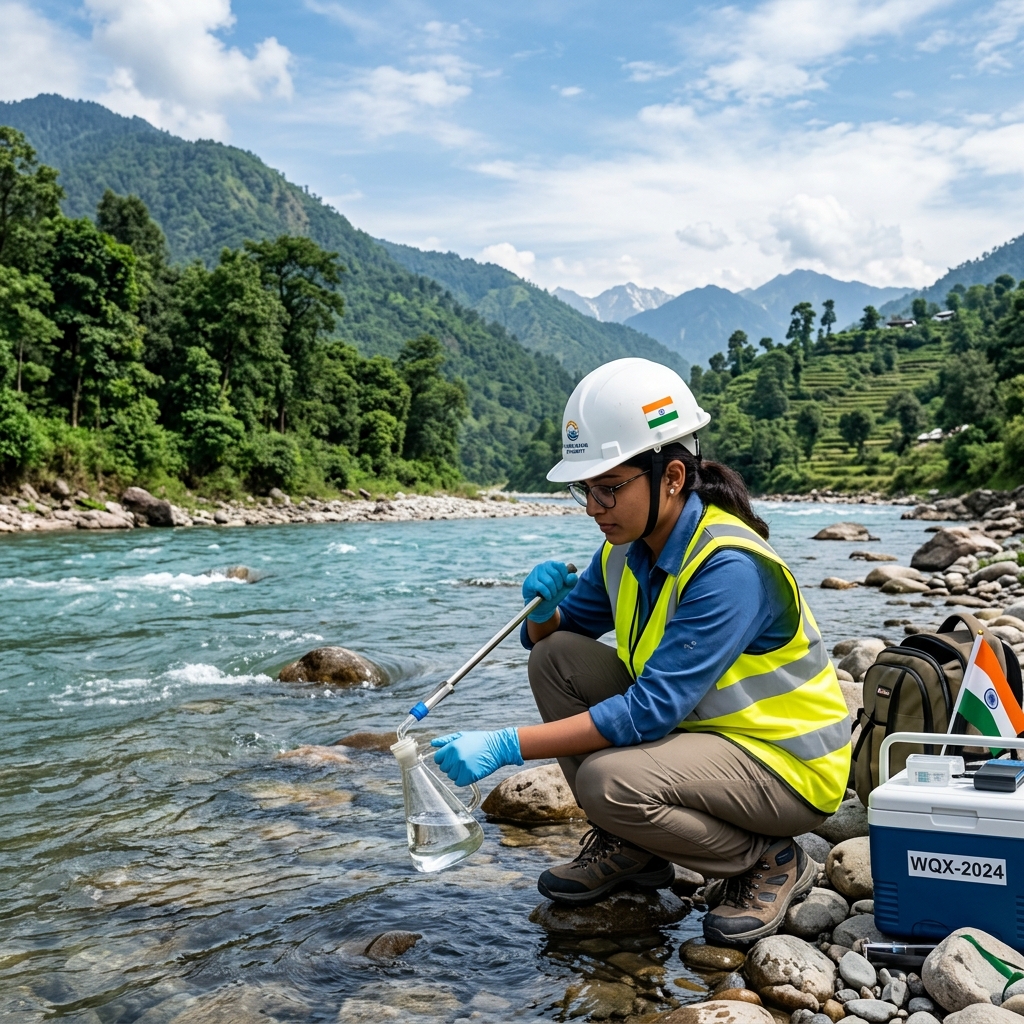
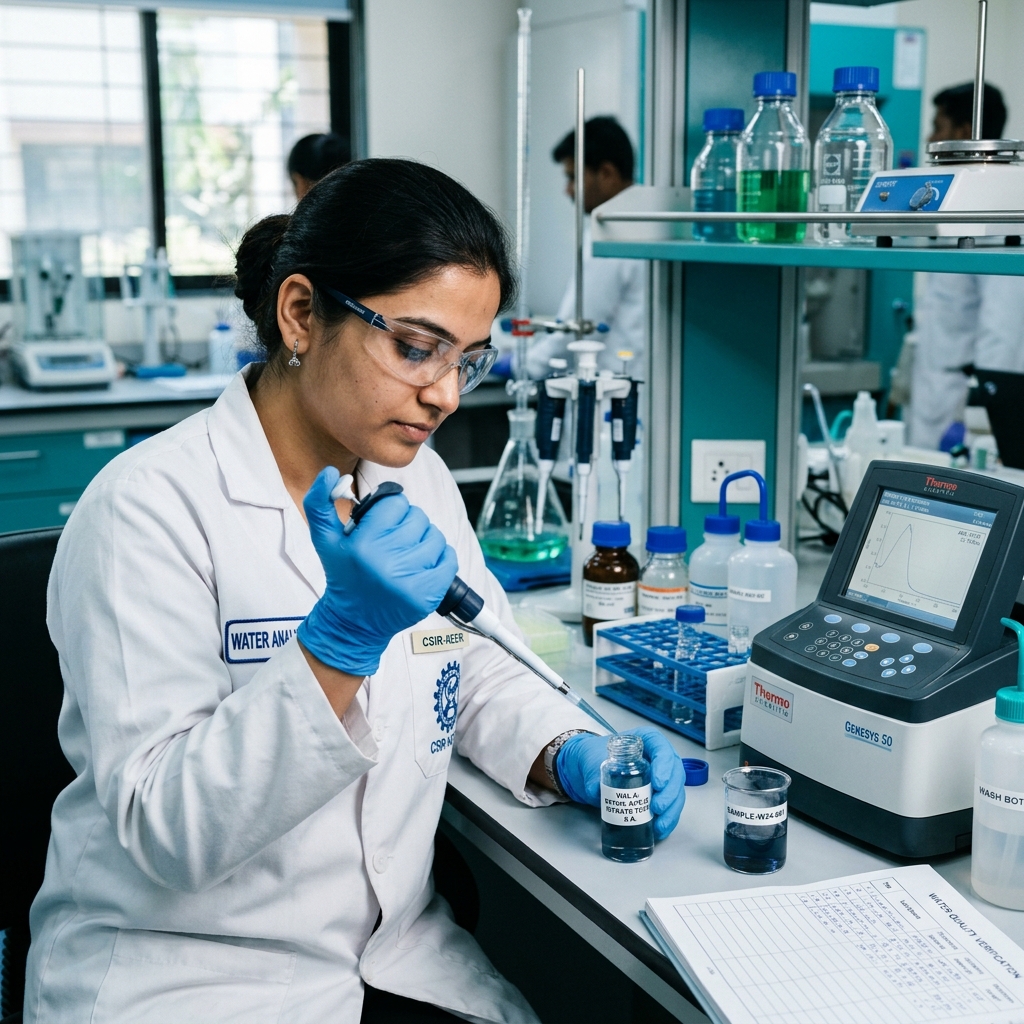
Standard operating procedures detailing field preparation, sample container selection, preservation protocols, field measurement of pH, conductivity, dissolved oxygen & turbidity, and chain-of-custody log sheets.
"The step-by-step field calibration procedure for pH and EC meters is extremely practical for field testing teams."
Leave a Comment on this SOP
PDF · NEW SOP 2026
1.4 MB · Full SOP
Laboratory SOP · Microbiological02 / 05
SOP: Water Sampling for Microbiological Analysis
Standardized protocols for sterile sample collection, thermal preservation (<4°C cold chain), sodium thiosulfate dechlorination, and rapid transportation for E. coli, coliforms, and pathogen testing.
Lead AuthorSanjay SharmaPresident, IWQA
Co-Authors
Amit Singh
Anil Kumar
Dr. Manju Kajla
Aseptic sampling technique & sterile bottle prep
Cold chain preservation (<4°C) & transport windows
"Essential guidance on cold-chain preservation to prevent bacterial die-off or regrowth during transportation from rural catchments."
Leave a Comment on this SOP
PDF · OFFICIAL PLAN
1.6 MB · Full Document
State Monitoring Plan03 / 05
Water Quality Assurance & Monitoring Plan for Uttarakhand
A comprehensive operational blueprint establishing state-wide river basin surveillance, drinking water testing standards, laboratory accreditation matrices, and catchment health monitoring protocols for Uttarakhand.
"The baseline monitoring frequency proposed for upper catchment tributaries provides much-needed clarity for state testing laboratories."
MS
Dr. Meera Swaminathan
Laboratory Quality Auditor
18 Sep 2026
"Standardizing the chain of custody from remote sampling points to certified labs is the strongest section of this framework."
Leave a Comment on this Report
PDF · DIAGNOSTIC REPORT
1.1 MB · Full Document
STP Diagnostics04 / 05
Improvement in Water Analysis through Diagnostic Laboratory Practice for Improved STP Performance, Public Health and River Rejuvenation
An applied diagnostic methodology connecting biological wastewater indicators (MLSS, MLVSS, SVI, microbiological profiles) with real-time STP control to drastically improve discharge compliance and river rejuvenation.
"Treating MLVSS/MLSS ratio diagnostics as operational early warnings rather than lagging compliance metrics is a game changer for plant operators."
SR
Prof. S. K. Roy
Wastewater Engineering Consultant
20 Sep 2026
"The correlation between biological aeration diagnostics and tertiary disinfection efficacy is thoroughly validated in this publication."
Leave a Comment on this Report
PDF · POLICY PAPER
2.0 MB · Full Document
Policy Framework05 / 05
National Water-Quality Diagnostic & Strategic Policy Framework
A strategic policy memorandum submitted by IWQA to national leadership, outlining foundational reforms in environmental water quality testing, cross-sector laboratory accreditation, and sensor-based telemetry standards across India.
"A vital strategic document laying the groundwork for harmonized water quality metrics across central and state bodies."
PS
Priya Sundaram
Water Policy Analyst, New Delhi
22 Sep 2026
"The actionable roadmap on telemetry data verification bridges the critical gap between sensor manufacturers and environmental regulators."
Leave a Comment on this Report
New material is being prepared.There are no preview resources in this topic yet. Return to all resources to continue exploring.
About IWQA
A community for water-quality professionals.
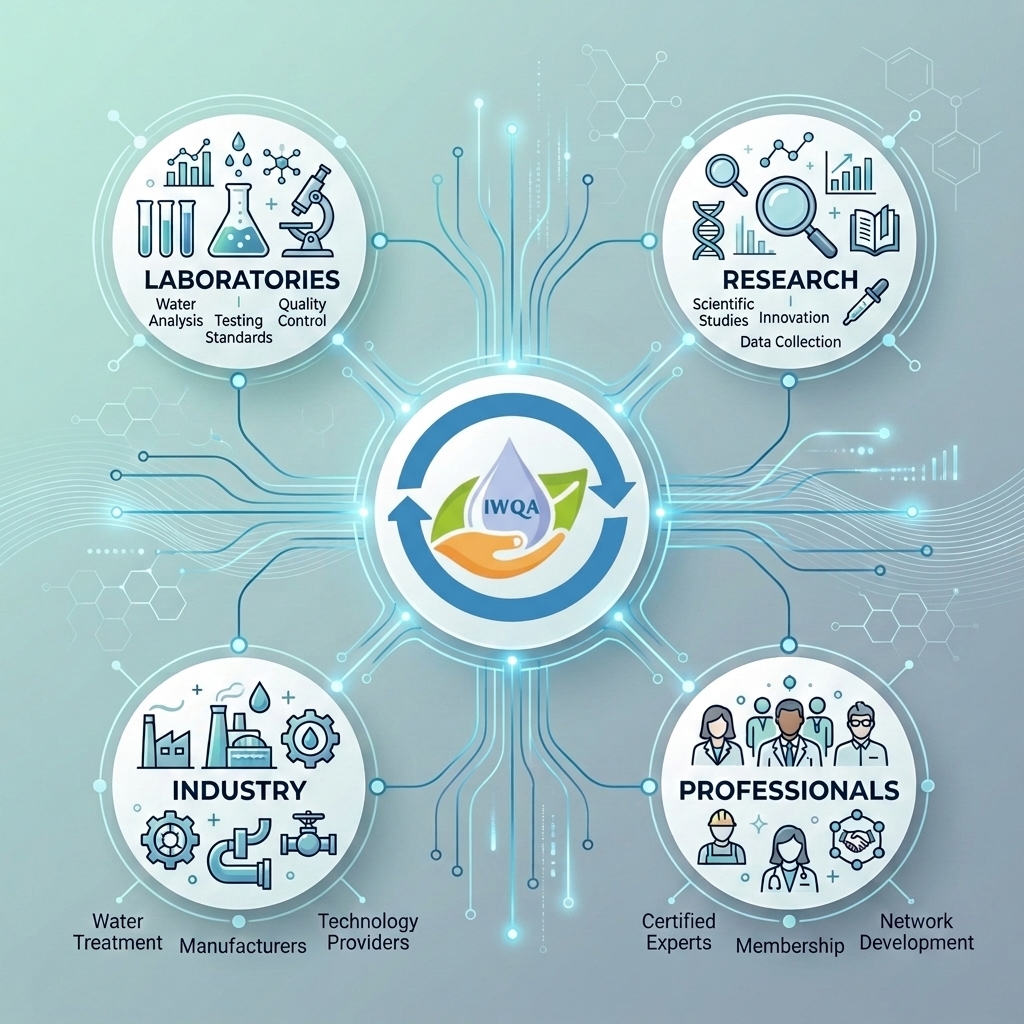
IWQA brings together scientists, analysts, laboratory practitioners, environmental experts, industry stakeholders and emerging professionals to advance knowledge, capability and collaboration around water and wastewater quality.
01Technical ExcellencePromote rigorous analysis, monitoring practice and continuous professional learning.
02Knowledge ExchangeCreate practical dialogue among laboratories, industry, researchers and decision-makers.
03Collective ImpactSupport cleaner water systems through stronger quality awareness and informed collaboration.
IWQA Leadership
Founding Members
The visionaries guiding the Indian Water Quality Association toward sustainable water standards and technical excellence.
Shri Sanjay Sharma
President
Shri Amit Singh
Secretary
Shri Anil Kumar
Vice President
Where we focus
A technical lens on water quality.
Explore the subjects that shape reliable measurement, practical interpretation and more informed water decisions.
Reliable water-quality decisions depend on an unbroken chain of technical controls, from collection protocol through to interpretation and response.
Sampling protocol
Representative collection, documentation and controlled field practice.
Analytical verification
Appropriate methods, calibrated instruments and considered controls.
Monitoring review
Consistent observation across time, location and operational context.
Technical interpretation
Data quality, patterns and implications examined with professional judgement.
Informed action
Evidence translated into appropriate operational and improvement decisions.
Measurement integrity is central to safer water and wastewater decisions. IWQA supports the professional dialogue that connects rigorous practice with meaningful, context-aware improvement.
Delhi Water Expo 2026 · 20–22 August · New Delhi
A focused platform for water-quality dialogue.
At Delhi Water Expo 2026, water and wastewater professionals, technology providers, researchers and decision-makers convened at Pragati Maidan, New Delhi. Organised by Water Today in association with IWQA, the event provided a setting for technical exchange on water quality, sustainable management, innovation and industry collaboration.
A professional forum for focused conversation around water, wastewater, monitoring and sustainability.
Format
Industry forum
Focus
Water quality
Context
Past event
Delhi Water Expo 2026 Highlights
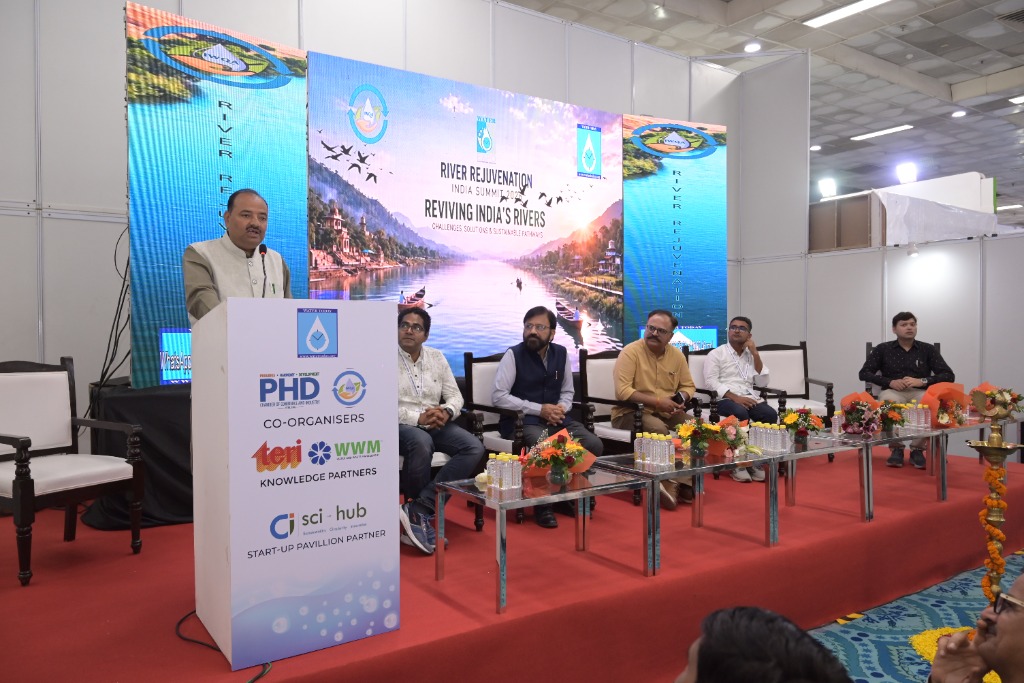
River Rejuvenation India Summit 2026
Glimpses from the national summit: "Reviving India's Rivers: Challenges, Solutions & Sustainable Pathways"
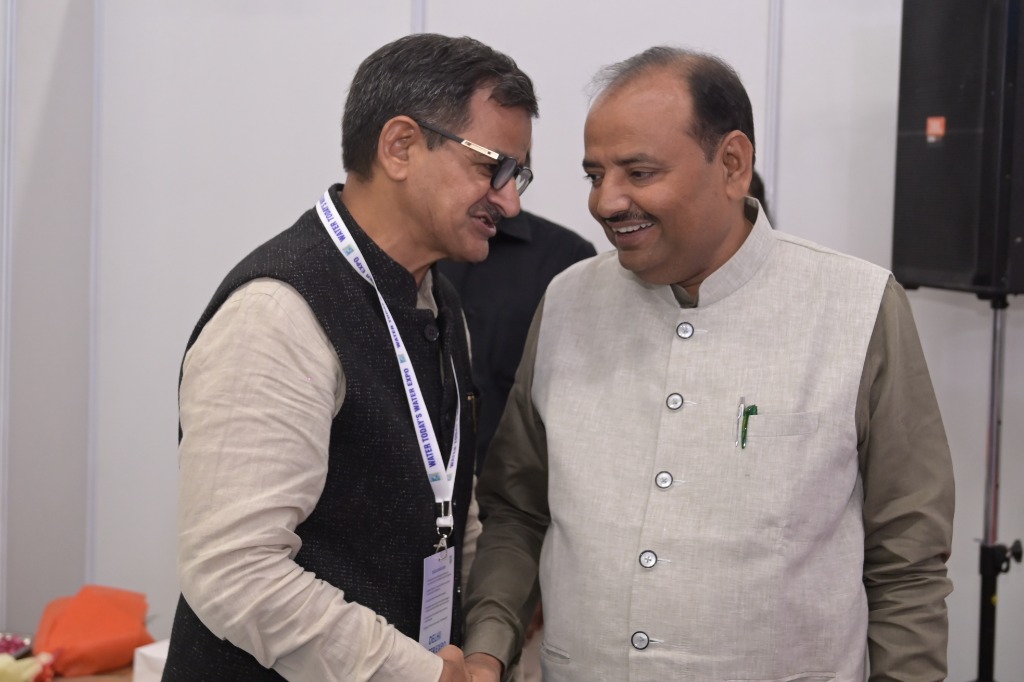
Opening Interaction
Dignitary Welcome & Networking
Distinguished delegates and water industry leaders exchanging greetings at the summit.
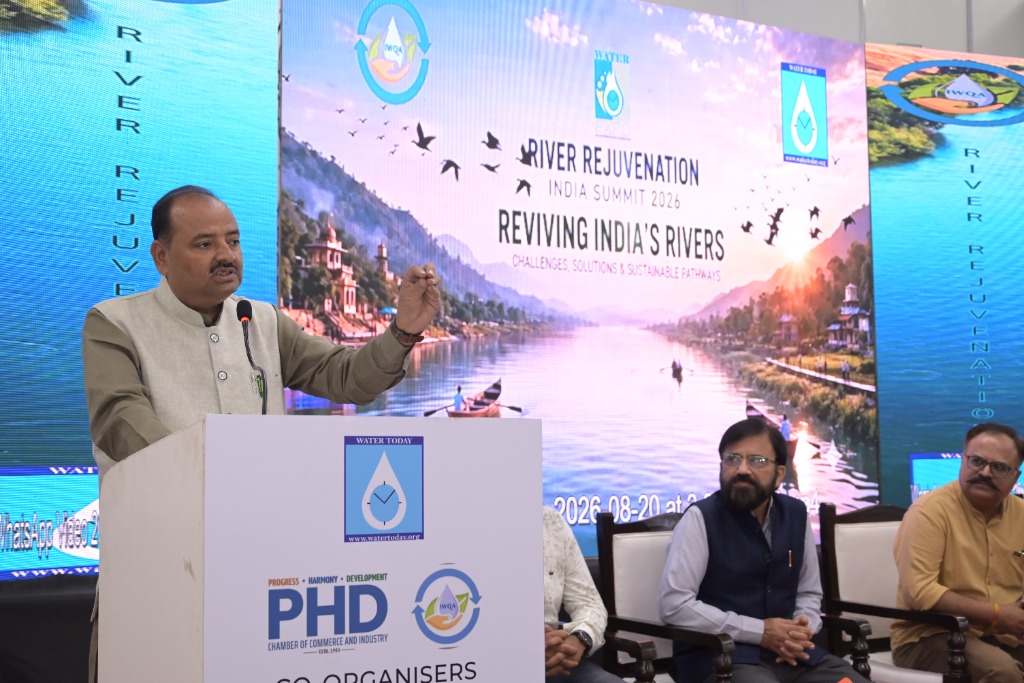
Keynote Address
Reviving India's Rivers: Keynote Address
Opening remarks emphasizing sustainable river basin management, ecological flow maintenance, and policy frameworks.
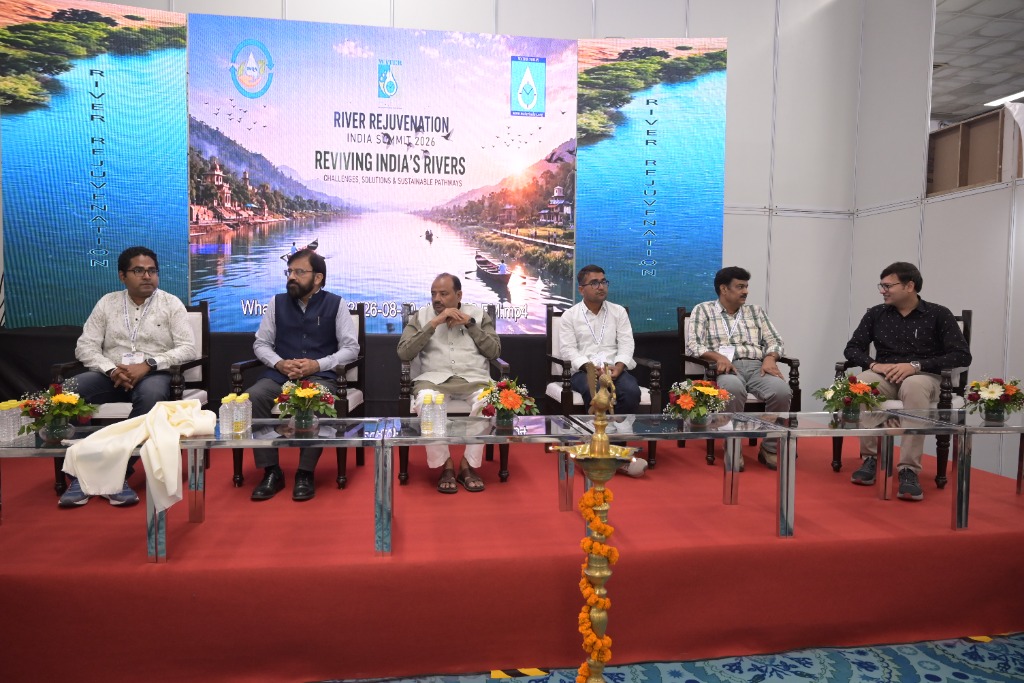
Inaugural Session
Summit Inauguration & Co-Organizers Platform
Jointly organized by Water Today, IWQA, and PHD Chamber of Commerce & Industry with leading knowledge partners.
Panel Discussion
High-Level Panel: Technology & Governance
Panelists addressing urban wastewater treatment, real-time water quality monitoring, and community participation.
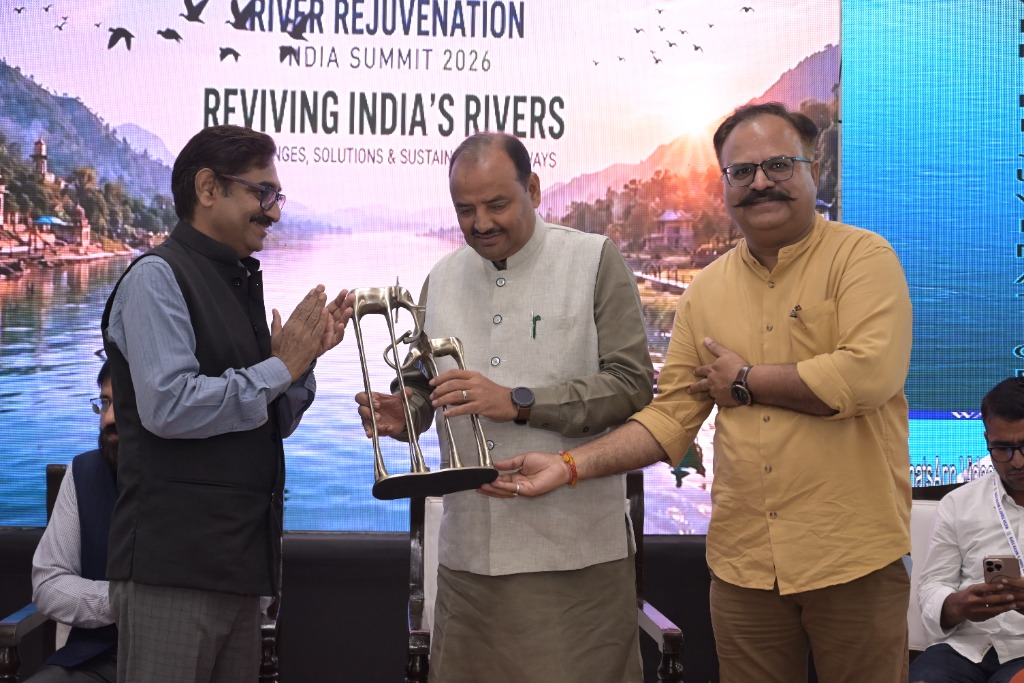
Felicitation Ceremony
Honoring Water Champions & Memento Presentation
Recognizing exceptional contributions towards river restoration and sustainable water resource management.
Community & membership
A stronger professional network for better water quality.
IWQA is designed to be a point of connection for people and organisations contributing knowledge, practice and perspective across the water-quality ecosystem.
Laboratory scientists and analysts
Water and wastewater professionals
Environmental engineers and consultants
Utilities and industrial teams
Researchers and academic institutions
Students and early-career professionals
Technology and solution providers
Engagements
Technical exchange, in context.
Explore upcoming forums, roundtables, and industry conferences driving water quality excellence.
Water Quality Assurance & Monitoring Plan for Uttarakhand
A Source-to-Tap Water Safety System & Independent Quality Assurance Protocol following the Jeolikote (Nainital) Water Contamination Incident.
Lead AuthorSanjay SharmaPresident, IWQA · Water Quality Governance
Co-Authors
Amit Singh · Anil Kumar · Dr. Anil Mishra · Dr. Manju Kajla
Doc Ref: IWQA-UK-2026-01
Publication Date: September 2026
1. Document Purpose & Incident Context
This report proposes a practical water quality assurance and monitoring system for rural and urban Uttarakhand. It responds directly to the September 2026 reports of acute illness and fatalities in Jeolikote and neighbouring villages in Nainital district, while addressing the wider structural risks created by small hill supplies, natural springs, intermittent distribution, monsoon runoff, landslides, sewage leakage, and long transport times to central laboratories.
The investigation reveals that water quality failures in hill terrains are rarely single-point breakdowns. They result from failures across multiple barriers: unprotected spring catchments, lack of physical separation between wastewater channels and drinking water mains under negative pressure, intermittent chlorine dosing relying on stale bleaching powder, and delayed sample escalation.
Key Incident Insight: Intermittent Pressure Vulnerability
A laboratory result showing no bacterial contamination on a single routine date does not rule out acute intermittent contamination. Where hill water supply is non-continuous, negative hydraulic pressure inside cracked delivery pipes actively draws surrounding contaminated groundwater and sewage into the mains.
2. Regulatory & Technical Mandates
Water quality assurance across Uttarakhand must be aligned rigorously with national benchmarks:
IS 10500:2012 (Drinking Water Specification): Mandatory zero tolerance for E. coli and thermotolerant coliforms in any 100 mL sample. Minimum residual free chlorine of 0.2 mg/L at consumer taps (escalated to 0.5 mg/L during outbreaks or monsoons).
IS 3025 Part 26:2021 (Chlorine Determination): The 2021 national standard formally withdrew the archaic neutral ortho-tolidine (OT) method due to carcinogenicity and chemical interference, replacing it strictly with N,N-diethyl-p-phenylenediamine (DPD) colorimetric and titrimetric methods.
CPHEEO Manual on Water Supply: Strict enforcement of minimum effective contact time (CT values: Concentration × Time ≥ 30 mg·min/L prior to first customer draw-off).
High wet-season turbidity, iron and manganese leaching
Pre-filtration coagulant control and multi-barrier disinfection
4. Independent Drinking Water Quality Commissionerate (DWQC)
A central finding of this report is that treatment operators cannot be their own quality judges. The plan establishes an autonomous Drinking Water Quality Commissionerate (DWQC) led by a Chief Chemist with statutory independence from Uttarakhand Jal Sansthan and Peyjal Nigam.
The DWQC holds unhindered legal authority to inspect any scheme, collect unannounced split samples, shut down contaminated supplies, direct emergency water tankers, and immediately publish verified water quality results on a public dashboard.
Uttarakhand must systematically phase out commercial bleaching powder (calcium hypochlorite). Stored under humid mountain conditions, bleaching powder loses over 60% of its available chlorine within weeks, resulting in chronic under-dosing despite nominal logbook entries.
Recommended Modernization Standard:
Adopt onsite sodium hypochlorite electrochlorination (OSG) units powered by common salt and local electricity (supplemented with solar batteries). Onsite generation guarantees fresh 0.8% sodium hypochlorite solution daily, eliminating hazardous gas cylinders while ensuring reliable active chlorine delivery.
6. Statewide Sampling Design & Chain-of-Custody
Sampling frequencies must follow population risk and geographic isolation rather than uniform administrative quotas. Every sample must be tracked through a digital LIMS barcode with geo-tagged photographic verification of the tap source, testing within 6 hours for microbiological analysis (or preserved in calibrated cold boxes below 4°C for a maximum of 24 hours).
7. Joint Health Surveillance (IDSP) & Outbreak Response
An unbroken operational bridge is mandated between District Water Testing Laboratories and the Integrated Disease Surveillance Programme (IDSP). Any cluster of two or more diarrheal or jaundice cases reported at a Primary Health Centre (PHC) automatically triggers an emergency water inspection within 4 hours.
IWQA Technical Manual · STP Diagnostics
Improvement in Water Analysis through Diagnostic Laboratory Practice
Improvement in Water Analysis through Diagnostic Laboratory Practice for Improved STP Performance, Public Health and River Rejuvenation
From Static Compliance Testing to Diagnostic Process Control: An Actionable Operational Reference Manual for Sewage Treatment Plant Laboratories.
Lead AuthorSanjay SharmaPresident, IWQA · Water Quality Governance
Co-Authors
Amit Singh · Anil Kumar · Dr. Anil Mishra
Doc Ref: IWQA-STP-2026-02
Publication Date: September 2026
1. Moving from Compliance Testing to Diagnostic Analytics
Final-effluent compliance testing is legally necessary, but it is fundamentally incapable of diagnosing why a Sewage Treatment Plant (STP) is failing. Standard certificates showing an exceedance in BOD or COD arrive days after the effluent has already discharged into the receiving river, leaving operators with no actionable guidance.
This report articulates a paradigm shift: transforming the plant laboratory from an administrative certificate producer into an active diagnostic decision-support center that monitors biological vitality, unit-process kinetics, and hydraulic variations in real time.
2. Dual Data Streams: Regulatory vs. Diagnostic Monitoring
Every modern STP must maintain two linked data streams:
Regulatory Stream: Adheres strictly to statutory discharge consent limits, formal grab/composite methods, and regulatory chain-of-custody protocols for CPCB/SPCB reporting.
Diagnostic Stream: Measures internal unit efficiency (primary clarifier removal, biological basin dissolved oxygen uptake rate, clarifier settling velocity, return activated sludge (RAS) ratios, and tertiary filter head loss).
3. Representative Sampling & HRT Synchronization
A chronic error in municipal wastewater analysis is taking unsynchronized grab samples from the inlet and outlet at the exact same hour. Because wastewater takes 12 to 24 hours to transit through an STP (Hydraulic Retention Time, HRT), comparing a 9:00 AM inlet grab with a 9:00 AM outlet grab provides a mathematically invalid efficiency metric. Influent and effluent sampling must be synchronized to true HRT using automated flow-proportional composite samplers.
4. Biological Process Health & Microscopic Bioindicators
Microscopic examination of activated sludge provides the earliest warning of biological process distress—days before effluent BOD climbs:
Dominant Microorganisms
Process Diagnostic
Operational Corrective Action
Flagellates & Small Amoebae
Under-aerated, high organic loading, young sludge (low sludge age)
Decrease sludge wasting rate (WAS), increase aeration DO
Stalked Ciliates (Vorticella, Epistylis)
Stable biological health, balanced F/M ratio, good flocculation
Maintain current operational parameters & wasting rate
Rotifers & Nematodes
Over-aerated, high sludge age, old decaying sludge, pin-point floc
Increase sludge wasting rate (WAS), reduce aeration power
Excessive Filamentous Bacteria
Sludge bulking, poor settling, low DO shock, high SVI (>150 mL/g)
5. Activated Sludge Kinetics: MLSS, MLVSS, SVI & Sludge Age
Plant operators must track the MLVSS/MLSS ratio daily. A healthy active biomass maintains an MLVSS/MLSS ratio above 0.70 to 0.75. When this ratio drops below 0.60, the aeration basin is filled with inert inorganic silt or dead biomass rather than active bacteria, reducing biological treatment capacity.
Sludge Volume Index (SVI) Diagnostic Thresholds:
SVI = (30-minute settled sludge volume in mL/L × 1000) / MLSS in mg/L.
• SVI < 70 mL/g: Rapid settling, pin-point floc, high effluent turbidity.
• SVI 80–120 mL/g: Optimum settling, clear supernatant, ideal biological operation.
• SVI > 150 mL/g: Severe sludge bulking, biomass carryover into receiving river.
6. Nutrient Removal & Disinfection Efficacy
Meeting modern NGT discharge criteria (Total N ≤ 10 mg/L; Ammoniacal-N ≤ 5 mg/L; Total P ≤ 2 mg/L) requires precise control of anoxic selector retention and internal nitrate recycle ratios. Disinfection must achieve fecal coliform limits (< 230 MPN/100 mL) without overdosing free chlorine, which produces toxic trihalomethanes (THMs) and harms river aquatic biodiversity.
7. Reverse Sewer Monitoring & River Rejuvenation Linkage
STPs cannot be treated as isolated factories. When shock loads of heavy metals, oils, or toxic solvents kill biological treatment basins, the laboratory must deploy Reverse Sewer Tracing—sampling upstream sewer trunk junctions to pinpoint industrial violators. Stabilizing STP discharge directly increases downstream river Dissolved Oxygen (DO ≥ 5 mg/L) and halts river eutrophication.
IWQA National Memorandum · PMO Submission
National Water-Quality Diagnostic & Strategic Policy Framework
National Water-Quality Diagnostic & Strategic Policy Framework
A Strategic Policy Memorandum Submitted to the Prime Minister's Office for Harmonizing Water & Wastewater Quality Standards, Laboratory Modernization, and Continuous Telemetry Integrity.
Lead AuthorSanjay SharmaPresident, IWQA · Water Quality Governance
Co-Authors
Amit Singh · Anil Kumar · Dr. Anil Mishra
Recipient: Prime Minister's Office (PMO)
Doc Ref: IWQA-PM-2026-POL03
1. Strategic Policy Imperative & National Preamble
Clean, reliable water is fundamental to India's public health, economic resilience, and ecological preservation. With landmark national missions such as the Jal Jeevan Mission (JJM), AMRUT 2.0, and Namami Gange, India has achieved unprecedented physical capital deployment. However, physical infrastructure without rigorous, verifiable analytical quality assurance risks acute public health vulnerabilities.
This memorandum presents an integrated policy roadmap to bridge the gap between engineering construction and diagnostic analytical integrity across India's 780+ districts.
2. Diagnosis of the Current Water Quality Architecture
The memorandum identifies three fundamental systemic bottlenecks currently limiting water and wastewater governance:
Fragmented Institutional Oversight: Water testing data is siloed across municipal corporations, irrigation departments, pollution boards, and health agencies with incompatible standards and no unified analytical data model.
Under-Equipped District Laboratories: Over 60% of rural and district water testing centers lack NABL accreditation, calibrated instrumentation, and certified analytical reference materials.
Data Vulnerability in Real-Time Telemetry: Online continuous emission and effluent monitoring systems (OCEMS) frequently suffer from sensor drift, optical fouling, and unvalidated software offsets that conceal non-compliance.
The policy proposes a structured, three-tiered national laboratory network:
Tier Level
Operational Mandate
Instrumentation & Accreditation Benchmark
Tier 1: Sub-Divisional & Block Centers
Daily drinking water residual chlorine, pH, turbidity & field coliform testing
Digital colorimeters, automated incubator baths, cloud LIMS sync
Tier 2: District Certified Laboratories
Monthly full IS 10500 chemical analysis, heavy metals, microbial quantification
NABL / ISO 17025 accredited, ICP-MS / AAS, electronic titrators
Tier 3: National Apex Quality Centers
Inter-laboratory proficiency testing, emerging contaminants (PFAS, AMR genes, microplastics)
High-resolution LC-MS/MS, GC-MS, genetic sequencing & national audit power
4. Online Continuous Monitoring (OCEMS) Integrity
To eliminate data tampering in automated effluent monitoring, the framework introduces mandatory Cryptographic Data Integrity & Auto-Calibration Verification. Sensor readings must be signed with hardware-level security tokens before cloud transmission, and sensor wash-cycles and multi-point calibration logs must be independently audited every quarter.
Current environmental fines are levied on simple concentration exceedances (mg/L), allowing large dischargers to dilute wastewater with freshwater to meet legal thresholds. The policy urges transitioning to Mass-Load Pollutant Regulation (kg/day), combined with GPS-tracked electronic manifests for all industrial and municipal sludge disposal to prevent illicit dumping.
IWQA calls for national support for Make-in-India water instrumentation. Reducing import dependence on optical sensors, reagents, and telemetry modems through competitive production-linked incentives (PLI) will slash monitoring costs for tier-2 and tier-3 municipalities.
The memorandum recommends enacting a formal National Safe Drinking Water Assurance Act, making tap water safety a legally actionable standard and mandating real-time publication of municipal water quality metrics at every ward level.

 Amit Singh
 Anil Kumar
 Dr. Manju Kajla

Peer Discussion & Feedback